

An area carpets in Calgary can change how a room looks, feels, and functions. It can define a seating area, introduce colour, soften hard flooring, reduce noise, and help protect the surface beneath it. However, choosing one based only on appearance may lead to problems with sizing, maintenance, durability, or furniture placement.
Table of Contents
- Begin With the Purpose of the Carpet
- Measure the Room and Furniture Layout
- Compare Carpet Materials Carefully
- Understand How Construction Affects Performance
- Choose the Right Pile Height
- Match the Carpet to the Interior Style
- Review Colour in the Actual Space
- Consider Maintenance Before Purchasing
- Evaluate the Purchase Beyond Price
- Common Mistakes to Avoid
- Frequently Asked Questions
- 1. What carpet size works best beneath a sofa?
- 2. Should an area carpet match the sofa?
- 3. Which material is suitable for a busy living room?
- 4. Is a carpet pad necessary?
- 5. How often should an area carpet be cleaned?
- 6. Can an area carpet be placed over existing carpet?
- 7. How can buyers compare the area rugs Calgary retailers offer?
- Frequently Asked Questions
- Conclusion
Before selecting area carpets in Calgary, homeowners should consider room dimensions, daily activity, material, construction, pile height, colour, and long-term care. A well-planned purchase creates a balanced interior while delivering practical value for years.
Begin With the Purpose of the Carpet
Every room places different demands on a carpet. A formal sitting room may prioritize refined texture and visual detail, while a family room requires a surface that can handle frequent movement, accidental spills, children, or pets.
Consider what the carpet needs to accomplish:
- Define a conversation or dining area
- Add warmth and softness to hard flooring
- Protect flooring from furniture and foot traffic
- Reduce sound in an open-plan interior
- Introduce colour, pattern, or texture
- Connect different furniture pieces visually
Determining the primary purpose makes it easier to compare suitable sizes, fibres, and construction methods.
Measure the Room and Furniture Layout
Incorrect sizing is one of the most common carpet-buying mistakes. A carpet that is too small may make furniture appear disconnected, while an oversized design can overwhelm the room or interfere with doors and walkways.
Measure the room and note the location of walls, doors, vents, fireplaces, cabinets, and major furniture. Use painter’s tape to outline the proposed carpet dimensions on the floor. This simple step helps homeowners understand how different sizes will affect movement and visual balance.
Sizing a Carpet for the Living Room
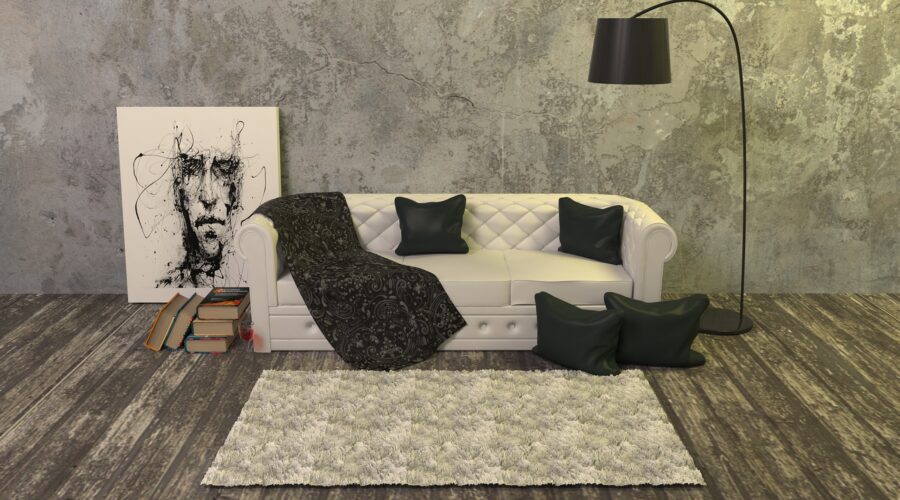
When choosing area carpets in Calgary for a living room, select a size that visually connects the main seating pieces. In many spaces, placing the front legs of the sofa and chairs on the carpet creates a unified arrangement. A larger room may suit a carpet that accommodates all furniture legs.
Leave a visible border of flooring around the carpet where possible. The border does not need to be identical on every side, but it should appear intentional and proportional.
Sizing for Dining and Bedroom Areas
A dining-room carpet should extend far enough beyond the table for chairs to remain on it when pulled out. Measure the table and add sufficient space on every side before selecting a size.
In a bedroom, a large carpet can sit beneath the bed and extend beyond its sides and foot. Alternatively, runners or smaller carpets can be placed beside the bed to provide softness without covering as much flooring.
Compare Carpet Materials Carefully
Material affects appearance, comfort, stain resistance, maintenance, and price. No single fibre is ideal for every household, so the best choice depends on the room and expected use.
Wool
Wool is naturally soft, resilient, and well suited to interiors where comfort and longevity matter. Its fibres tend to recover well from compression, making it a practical option beneath furniture. Wool area carpets in Calgary can require a larger initial investment and should be cleaned according to the manufacturer’s instructions.
Cotton
Cotton carpets often provide a casual appearance and may be lighter than wool alternatives. Some smaller styles can be easier to move or clean, although cotton may show wear sooner in heavily used rooms.
Synthetic Fibres
Polyester, polypropylene, and other synthetic materials may offer good colour retention and practical stain resistance. They can work well in busy households, but performance varies by fibre quality and construction.
Natural and Blended Fibres
Jute, hemp, viscose, nylon, and blended constructions provide different combinations of texture, sheen, strength, and softness. Before purchasing, check the care requirements and whether the material is appropriate for moisture, pets, or heavy traffic.
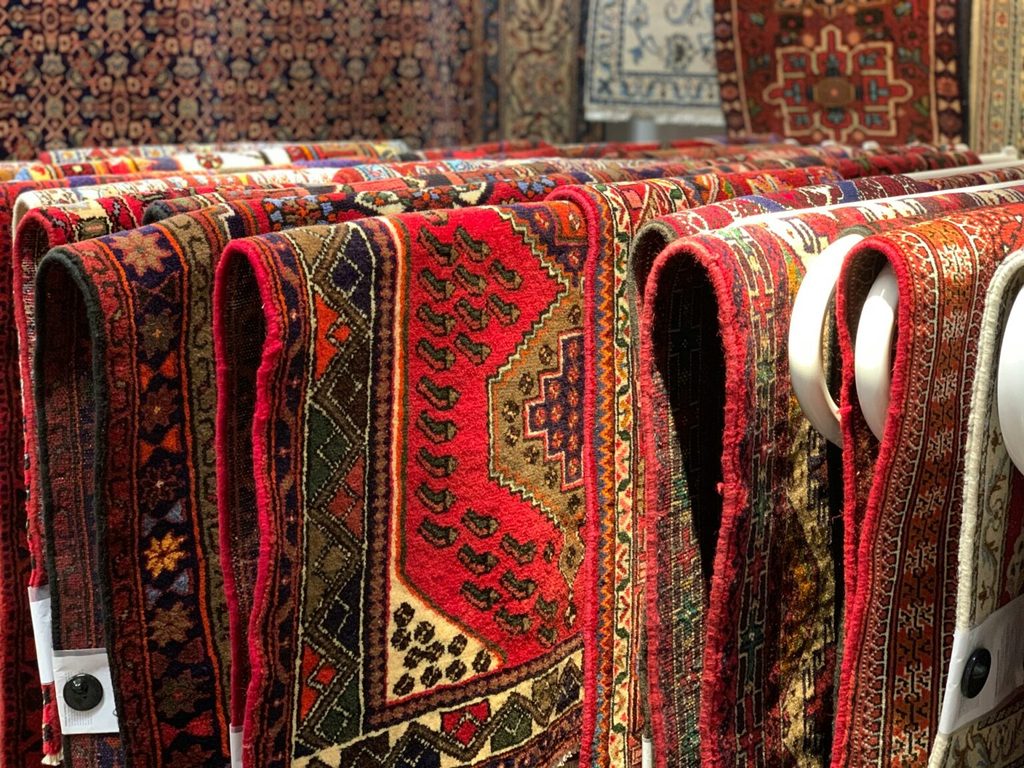
The available collection includes materials ranging from wool and cotton to polyester, polypropylene, viscose, jute, hemp, silk, and blended fibres.
Understand How Construction Affects Performance
The way a carpet is made can influence its durability, texture, appearance, and cost. Hand-knotted carpets involve detailed craftsmanship and may offer lasting value when properly maintained. Hand-tufted, woven, printed, and power-loomed designs provide different combinations of texture, precision, production time, and affordability.
Homeowners evaluating area carpets for sale should examine more than the listed price. Construction quality, fibre content, expected lifespan, edge finishing, backing, care requirements, and warranty information all contribute to overall value.
Ask whether the carpet is expected to shed, whether it requires professional cleaning, and whether its colours may fade in strong sunlight. Clear product information makes it easier to compare options fairly.
Choose the Right Pile Height
Pile height refers to the length and density of carpet fibres. When comparing area rugs in Calgary, homeowners should consider how each pile height will perform in the intended room. Low-pile carpets generally make furniture placement easier and can be more convenient in dining rooms, entryways, and other frequently used spaces. They are also less likely to obstruct doors.
Medium- and high-pile carpets create a softer, more comfortable surface. However, deeper fibres may collect more dust, require additional maintenance, and make dining chairs harder to move.
For households with pets, consider whether claws may catch on loops and how easily hair can be removed from the chosen texture.
Match the Carpet to the Interior Style
A carpet should relate to the room without making every element look identical. Consider existing wall colours, flooring, upholstery, artwork, lighting, and architectural details.
Modern interiors often benefit from visual contrast, layered textures, and carefully selected accent pieces. Contemporary rugs can feature abstract forms, geometric patterns, organic lines, tonal colours, or high-and-low textures. These designs can add movement to a neutral room or connect several accent colours, while traditional and transitional carpets may introduce detailed motifs and established character.
When furniture already has strong patterns, a restrained carpet can create balance. In a simple room, a bolder design may become the main visual feature.
Review Colour in the Actual Space
Colours can appear different under showroom lighting, daylight, and warm residential bulbs. Flooring colour also affects how a carpet is perceived. Whenever possible, view a sample in the intended room at different times of day.
Lighter colours can make a room feel open but may reveal spills and dirt more readily. Darker shades can add depth, although they may show lint or light-coloured pet hair. Mid-tone colours and varied patterns are often practical for frequently used family spaces.
Homeowners researching area carpets in Calgary should also consider how seasonal changes in natural light may influence colour throughout the year.
Consider Maintenance Before Purchasing
Every carpet requires care, but the right routine depends on its fibre, pile, dye, and construction. Read the care label rather than assuming all carpets can be cleaned in the same way.
Good maintenance may include:
- Vacuuming at a suitable suction level
- Blotting spills promptly instead of rubbing them
- Rotating the carpet periodically for even wear
- Using protective pads beneath heavy furniture
- Following professional cleaning recommendations
- Limiting prolonged exposure to direct sunlight
A quality carpet pad can reduce movement, improve comfort, help prevent premature wear, and protect the floor below. Confirm that the pad is compatible with both the carpet backing and flooring material.
Evaluate the Purchase Beyond Price
Price is important, but it should be considered alongside size, materials, construction, expected use, and maintenance. A low-priced carpet that wears quickly may offer less long-term value than a carefully selected piece designed for the room’s demands.
Before purchasing, confirm:
- Exact dimensions and fibre content
- Cleaning and maintenance instructions
- Product availability or special-order timelines
- Return, exchange, and warranty conditions
- Whether professional design guidance is available
- Whether the colour and pattern suit existing furnishings
The range at Domaine Furnishings includes classic, contemporary, modern, traditional, transitional, and vintage styles, as well as in-stock and special-order selections. Product availability, specifications, and current pricing should be confirmed directly before making a decision.
Common Mistakes to Avoid
Buying without measuring is only one potential problem. Homeowners should also avoid choosing a carpet solely from an online image, ignoring door clearance, overlooking cleaning requirements, or selecting delicate fibres for demanding spaces.
Another mistake is treating the carpet as an isolated accessory. It should support the furniture arrangement and the room’s proportions. Considering the entire space generally produces a more cohesive and comfortable result.
Frequently Asked Questions
1. What carpet size works best beneath a sofa?
The correct size depends on the sofa, chairs, tables, and room dimensions. As a general approach, the carpet should be wide enough for the front legs of the main seating pieces to rest on it. Large rooms may benefit from placing all seating furniture completely on the carpet.
2. Should an area carpet match the sofa?
An exact match is unnecessary. The carpet can repeat one or two colours from the sofa, cushions, artwork, or curtains while adding contrast through pattern and texture. The goal is visual connection rather than identical colour.
3. Which material is suitable for a busy living room?
Wool and certain quality synthetic fibres can perform well in active spaces, depending on construction and care. Buyers should compare resilience, stain resistance, cleaning requirements, household activity, and manufacturer guidance before deciding.
4. Is a carpet pad necessary?
A compatible pad is generally beneficial because it can help keep the carpet in place, improve comfort, reduce wear, and protect the flooring. The correct pad thickness and material depend on the carpet backing and floor type.
5. How often should an area carpet be cleaned?
Routine vacuuming frequency depends on foot traffic, pets, fibre type, and pile height. Spills should be addressed promptly using the recommended method. Professional cleaning schedules should follow the care label or manufacturer’s guidance.
6. Can an area carpet be placed over existing carpet?
Yes, but stability and pile height require attention. A heavy, low-profile area carpet with a suitable pad usually performs better than a light design that shifts or wrinkles. Ensure the placement does not create a tripping risk.
7. How can buyers compare the area rugs Calgary retailers offer?
Compare dimensions, materials, construction methods, cleaning instructions, return policies, availability, and available design assistance at Calgary stores. Viewing colours and textures in person can also reveal important details that product photographs may not fully communicate.
Conclusion
A successful carpet purchase begins with accurate measurements and a clear understanding of the room’s purpose. Material, construction, pile height, colour, maintenance, furniture placement, and long-term value should all influence the final choice.
When choosing area carpets in Calgary, homeowners can make a more confident decision by balancing practical performance and design. The right carpet should complement the interior, support everyday activity, and remain manageable to maintain.
Make the final selection with greater confidence by seeing how different designs look and feel in person. Plan a visit with Google Maps directions to view carpet sizes, materials, colours, patterns, and textures at the Calgary showroom. In-person viewing can help determine which carpet best complements the room’s furniture, flooring, and overall style.