
Wellness in Canada has steadily evolved from short-term solutions to more intentional, lifestyle-focused practices. Today’s consumers are exploring plant-derived ingredients, cleaner formulations, and evidence-informed approaches that align with daily routines rather than quick fixes. From mindful nutrition to functional self-care, modern wellness emphasizes balance, consistency, and informed choices supported by credible insights and transparent business practices.
Table of Contents
- Role of Beta-Caryophyllene in Wellness
- How BCP Products Fit Into Everyday Wellness Routines
- Technology, Quality, and Responsible Formulation
- Practical Ways People Integrate These Products
- BCP in the Context of Modern Canadian Wellness Culture
- The Future of BCP in Wellness Routines
- Conclusion and Call to Action
As interest grows in naturally occurring compounds found in everyday foods and botanicals, people are paying closer attention to how these ingredients fit into broader wellness services and routines. This shift has also encouraged brands to share clearer updates, invest in better technology, and focus on education rather than hype—key elements of trust under EEAT guidelines.
Role of Beta-Caryophyllene in Wellness
What Is This Organic Compound?
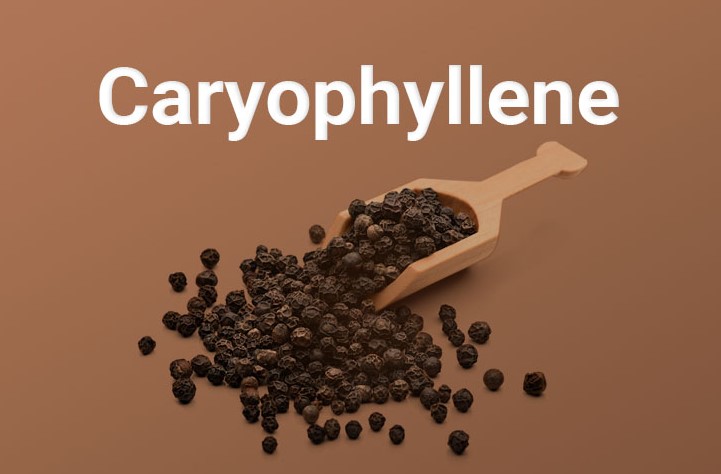
Beta-caryophyllene, also written as β-caryophyllene, is a naturally occurring organic compound found in herbs and spices such as black pepper, cloves, and oregano. It is classified as a sesquiterpene and is notable for its presence in many aromatic plants that have long been part of traditional diets.
In modern wellness discussions, this compound is often referenced for its interaction with systems in the body related to balance and homeostasis. Rather than being positioned as a cure or treatment, it is typically discussed as one component within a broader, lifestyle-oriented wellness approach.
Why It’s Gaining Attention in Canada
Canadian wellness consumers tend to value transparency, sustainability, and science-informed products. This has contributed to growing interest in BCP as part of ingredient-focused wellness products. Businesses operating in this space increasingly provide clear sourcing details, responsible marketing, and realistic insights into how such compounds may complement daily routines.
How BCP Products Fit Into Everyday Wellness Routines
Incorporation Through Oils and Topicals
BCP oils are commonly used in personal care and wellness routines such as aromatherapy, massage, or relaxation-focused rituals. These applications are typically about supporting calm moments, mindfulness, or sensory experiences rather than making health claims. When used this way, BCP oil becomes part of a broader self-care practice that includes rest, hydration, and stress management.
Use in Lifestyle-Oriented Products
Many BCP products are formulated as part of blends, combining botanical extracts and carrier ingredients. In Canada, such products are often positioned within wellness services offered by spas, holistic retailers, or lifestyle brands that emphasize education and responsible use. This approach aligns with consumer demand for realistic, experience-based wellness rather than exaggerated promises.
Technology, Quality, and Responsible Formulation
Advances in Extraction and Formulation
Modern technology has improved how beta-caryophyllene is extracted and stabilized for use in consumer products. Cleaner extraction methods and better quality control help ensure consistency, which is important for both safety and consumer trust. Canadian businesses often highlight these technological improvements as part of their commitment to quality.
Transparency as a Business Priority
Wellness brands increasingly understand that credibility matters. Clear labeling, accessible updates, and educational resources help consumers make informed decisions. This transparency also supports compliance with advertising standards and deceptive content guidelines, ensuring that BCP products are marketed responsibly and ethically.
Practical Ways People Integrate These Products
While routines vary, many users focus on consistency and moderation. Common integration points include:
- Morning or evening self-care rituals
- Aromatherapy practices focused on relaxation
- Massage or body care routines
- Lifestyle wellness services offered by professionals
- Complementary use alongside balanced nutrition and exercise
This measured approach reflects how BCP is typically positioned: as one supportive element within a larger wellness framework.
BCP in the Context of Modern Canadian Wellness Culture
Emphasis on Balance and Education
Canada’s wellness landscape places strong emphasis on informed choice. Consumers often seek products that align with their values, including sustainability, ethical sourcing, and honest communication. In this context, BCP is discussed through educational content rather than trend-driven marketing.
Integration With Professional Guidance
Some wellness-focused businesses include BCP products as part of curated experiences or services. These may involve consultations, educational materials, or guided routines that help individuals understand how different products fit into their personal wellness goals.

Frequently Asked Questions About BCP Products
What Is the Difference Between BCP and Other Plant Compounds?
BCP is unique because it is a dietary terpene found in common spices, whereas many other compounds are less commonly consumed through everyday foods. This familiarity contributes to its growing interest in wellness discussions.
Are BCP Oils Intended to Treat Medical Conditions?
No. BCP oils and related products are generally positioned as wellness or lifestyle products, not as treatments or cures. Responsible brands avoid medical claims and encourage informed, moderate use.
How Do People Typically Use BCP Oil?
BCP oil is often used in aromatherapy, massage, or relaxation-focused routines. Usage varies depending on formulation and personal preference, and it is commonly part of a broader self-care practice.
Is Beta-Caryophyllene Naturally Sourced?
Yes, beta-caryophyllene is naturally found in various plants and spices. Reputable businesses usually disclose sourcing information and extraction methods to support transparency.
Can BCP Products Be Used Daily?
Many wellness products containing BCP are designed for regular use as part of a routine. However, consumers are encouraged to follow product guidelines and consider their individual lifestyle needs.
Why Is Transparency Important When Choosing These Products?
Clear information helps consumers understand what they are using and why. Transparency supports trust, aligns with EEAT principles, and reduces the risk of misleading or deceptive content.
The Future of BCP in Wellness Routines
As wellness continues to evolve, BCP products are likely to remain part of a broader movement toward ingredient literacy and responsible consumption. Ongoing insights, improved technology, and clearer updates from businesses will shape how these products are perceived and used in Canada.
Rather than being viewed as standalone solutions, BCP and related compounds are increasingly understood as supportive elements within balanced routines that prioritize education, consistency, and realistic expectations.
Conclusion and Call to Action
Modern wellness is about making informed, sustainable choices that fit into everyday life. BCP products, when presented responsibly, reflect this shift toward transparency and balance. By focusing on education, quality, and ethical business practices, brands can help consumers integrate these products thoughtfully into their routines.
If you’re exploring wellness options, look for providers that offer clear insights, honest updates, and well-documented sourcing. Thoughtful choices today can support more confident, informed wellness routines tomorrow.