
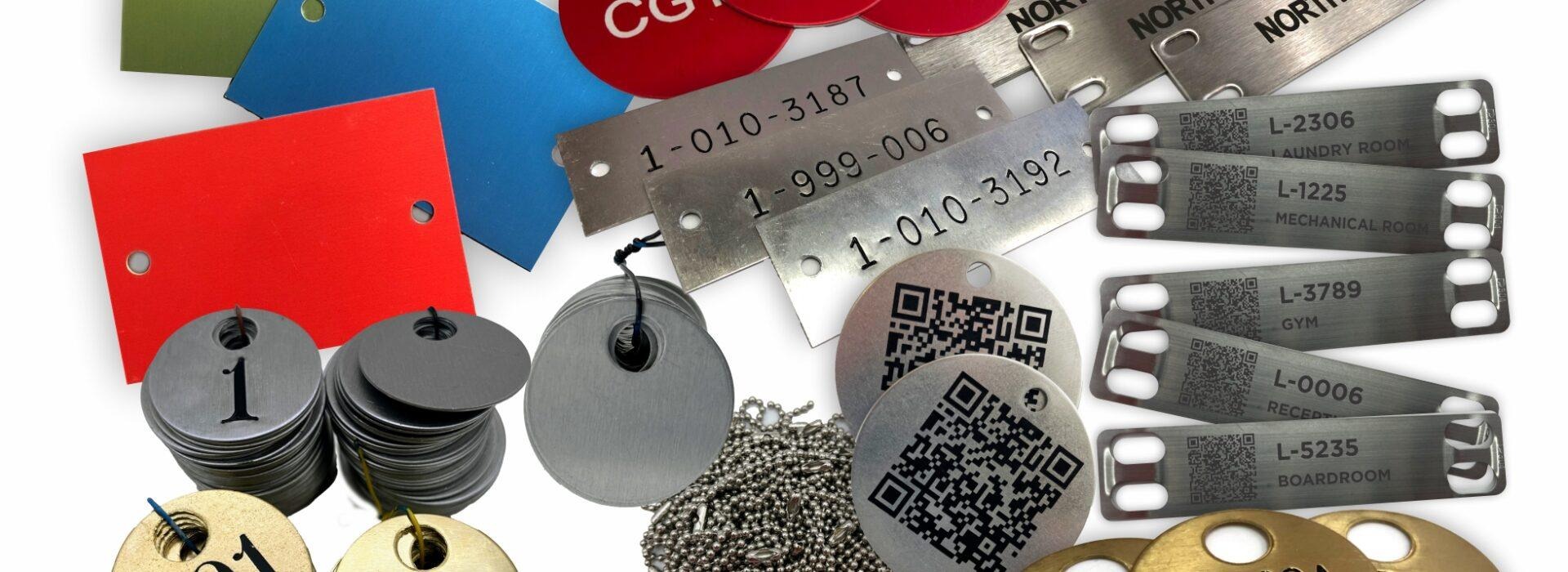
Metal identification plays an important role in manufacturing, construction, utilities, transportation, and other industrial sectors. From machinery and electrical components to valves and inventory assets, clear labelling helps workers identify equipment and access relevant records. Choosing the right materials, marking methods, and attachment options can support long-term readability and consistent asset management across Canadian workplaces.
Table of Contents
- Why Long-Term Identification Matters
- Choosing the Right Material for Custom Metal Tags in Canada
- What Information Should Metal Name Tags Include?
- Selecting a Marking Method for Lasting Readability
- How Identification Tags Support Asset Tracking
- Installation and Maintenance Considerations
- Working With a Canadian Metal Tag Supplier
- Conclusion
- Frequently Asked Questions
- What are custom metal tags in Canada used for?
- Which material is best for industrial metal tags?
- Can metal name tags include barcodes and QR codes?
- Are identification tags suitable for outdoor use?
- How can businesses extend the service life of metal tags?
- What information do you need to order custom metal tags in Canada?
- Frequently Asked Questions
Why Long-Term Identification Matters
Industrial facilities often manage numerous assets that require accurate identification throughout their service life. Without clear labels, employees may spend additional time locating equipment, checking specifications, or matching physical components with maintenance records.
Well-specified identification tags help establish consistent labelling practices. For example, a unique asset number can connect a machine to its service history, while a valve tag can help workers distinguish individual components in a complex piping system. Similarly, equipment labels can display model numbers, serial numbers, and other essential references.
For businesses considering custom metal tags in Canada, the decision should extend beyond appearance and initial cost. Tags must suit their operating environment, provide readable information, and meet the practical requirements of the equipment being identified.
Choosing the Right Material for Custom Metal Tags in Canada
Material selection is a key consideration when ordering industrial identification products. Moisture, temperature, chemicals, abrasion, sunlight, and installation requirements can all influence the choice. Understanding the properties of common metals helps buyers select an appropriate option.
Aluminum for Lightweight Identification
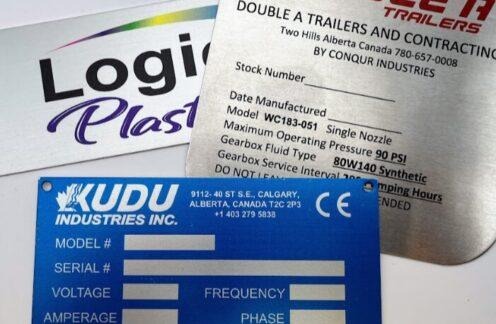
Aluminum is a popular option for applications requiring lightweight tags and good corrosion resistance. It can be used for equipment labels, asset identification, data plates, and various indoor or outdoor installations.
Anodized aluminum offers a treated surface that can improve wear resistance and support clear marking. Depending on the production method, aluminum tags can accommodate text, serial numbers, barcodes, and other identification details.
However, performance varies according to the finish and marking process. Businesses should confirm that the proposed specification suits the expected exposure, particularly where tags will face prolonged sunlight, moisture, or repeated cleaning.
Stainless Steel for Demanding Conditions
Stainless steel is often considered for environments involving moisture, frequent cleaning, abrasion, or elevated temperatures. It is used in manufacturing facilities, processing plants, utilities, and other industrial settings.
These industrial metal tags can carry engraved, etched, or otherwise marked information, including equipment numbers and technical references. The appropriate grade depends on the environment, especially where salt, chlorides, or aggressive chemicals are present. Before ordering industrial metal tags, explain the intended operating conditions to the supplier. This helps determine whether the selected grade, finish, and marking method are suitable for the application.
Brass for Specialized Applications
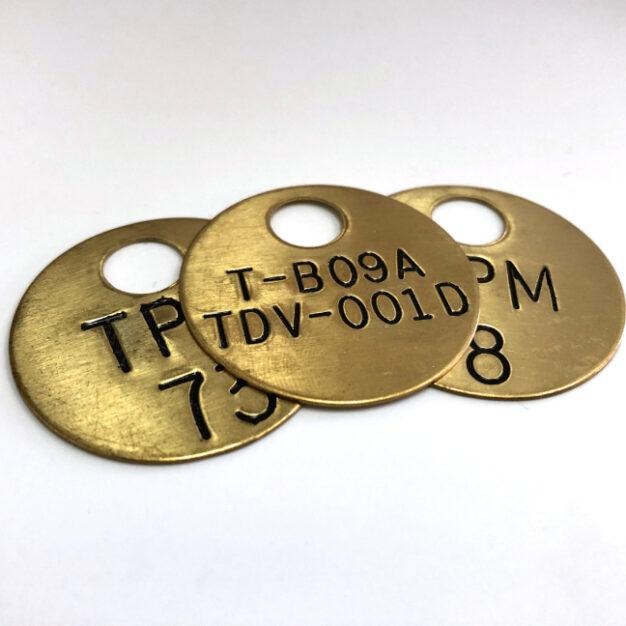
Brass may be appropriate for valve identification, mechanical systems, and applications where its material properties and appearance meet the requirements. It can accommodate engraved identification and offers a distinctive metallic finish.
However, brass may develop a patina over time, and its suitability depends on environmental exposure, maintenance expectations, and the required service conditions. Comparing available materials before purchasing helps businesses make informed decisions rather than selecting tags based solely on appearance or price.
What Information Should Metal Name Tags Include?
The information displayed on a tag should reflect its intended purpose. Too much text can make smaller labels difficult to read, so prioritizing essential details is important.
Depending on the application, metal name tags may include:
- Asset or equipment identification numbers
- Manufacturer, model, and serial number references
- Part numbers and inventory codes
- Inspection or maintenance references
- Barcodes or QR codes linked to digital records
- Valve, cable, or component identification details
For example, a maintenance team may need an asset number that connects directly to service records. A manufacturer, on the other hand, may prioritize serial numbers and model references for product identification.
Clear lettering, appropriate text size, and sufficient contrast help improve readability. If the tag will include a barcode or QR code, test its scanning performance at the intended size before approving a large production run.
Selecting a Marking Method for Lasting Readability
The marking method affects how information appears and how well it withstands everyday conditions. Common options include engraving, etching, laser marking, and printing. Engraving creates physical marks in the material and can be useful when clearly defined characters are required. Etching can produce detailed identification, while laser marking supports precise text, symbols, and selected machine-readable codes.
Printing may be suitable when colour, visual differentiation, or particular graphics are important. Its resistance to sunlight, abrasion, cleaning chemicals, and other environmental factors depends on the substrate, ink, coating, and production process.
When comparing custom metal tags in Canada, ask about the suitability of the proposed marking method for the actual application. Consider expected wear, environmental exposure, text size, and the type of information displayed. Choosing a suitable combination of material and marking method can help maintain legibility over time.
How Identification Tags Support Asset Tracking
A consistent labelling system helps businesses connect physical equipment with digital records. When each asset has a unique identifier, employees can use that reference to locate inspection reports, maintenance histories, inventory details, and other relevant documentation.
For instance, a manufacturing facility might assign a unique number to each motor. Technicians can then record repairs against the correct equipment record instead of relying on handwritten descriptions or similar-looking model names.
Identification tags can also help organize warehouses, production lines, electrical installations, and maintenance inventories. Where barcodes or QR codes are used, employees may be able to access authorized digital records more efficiently, provided the codes remain readable and the supporting information is maintained.
These benefits depend on accurate recordkeeping and consistent procedures. Tags alone do not guarantee inventory accuracy, workplace safety, or regulatory compliance. Businesses must also maintain suitable systems and follow the requirements applicable to their industry.
Installation and Maintenance Considerations
Even a well-selected tag can become difficult to read if it is installed incorrectly or exposed to conditions beyond its specifications. Therefore, mounting and placement should be considered before production begins.
Depending on the application, tags may be secured using screws, rivets, wire, chains, or suitable adhesives. Pre-drilled holes and compatible mounting accessories can simplify installation, but the attachment method must suit the equipment surface and operating conditions.
Before installation, consider these practical steps:
- Confirm that mounting holes and hardware match the installation requirements.
- Avoid locations exposed to unnecessary impact, friction, or obstruction.
- Check that cleaning procedures will not damage the tag or its markings.
For equipment associated with safety procedures, follow applicable workplace requirements and manufacturer instructions. Identification tags should support established procedures rather than replace required warnings, safeguards, or formal documentation.
Working With a Canadian Metal Tag Supplier
Selecting a supplier involves more than comparing prices. Businesses should provide clear specifications, explain the intended application, and confirm that the proposed materials and marking methods meet their requirements. Industrial Nameplates offers metal identification options in aluminum, stainless steel, and brass, including products such as valve tags and cable tags. Reviewing available materials and customization options can help buyers identify suitable products for their equipment and asset management needs.
Before requesting a quotation, prepare the required dimensions, quantity, artwork, text, hole configuration, marking preferences, and installation details. If tags will be exposed to chemicals, high temperatures, outdoor conditions, or frequent cleaning, communicate those factors clearly.
Ask the supplier in Canada to clarify available materials, marking options, and relevant production specifications. For regulated equipment or safety-critical applications, verify applicable standards and documentation requirements before approving the order.
Conclusion
Choosing custom metal tags in Canada for long-term identification requires careful consideration of material, marking method, information layout, installation, and operating conditions. Aluminum may suit lightweight applications, stainless steel may suit demanding environments, and brass may meet specialized identification needs. By assessing these factors before ordering, businesses can establish clearer asset identification systems and support consistent maintenance and inventory practices. The most suitable option is one that matches the intended application, documented requirements, and expected service conditions.
Need metal identification solutions for your next industrial project? View the Industrial Nameplates on Google Maps to find a location and learn more about available metal tag options for your application.
Frequently Asked Questions
What are custom metal tags in Canada used for?
Custom metal tags in Canada identify machinery, equipment, valves, cables, tools, and other industrial assets. They can display serial numbers, asset codes, barcodes, and other relevant information.
Which material is best for industrial metal tags?
The best material depends on environmental exposure, durability requirements, and budget. Aluminum, stainless steel, and brass have different properties, so assess the application before choosing.
Can metal name tags include barcodes and QR codes?
Yes, suitable metal name tags can accommodate barcodes and QR codes, depending on their size and marking method. Confirm readability and scanning performance before approving production.
Are identification tags suitable for outdoor use?
Many metal tags are suitable for outdoor applications, but performance varies by material, finish, and marking method. Consider sunlight, moisture, temperature changes, chemicals, and abrasion.
How can businesses extend the service life of metal tags?
Choose materials and markings suited to the operating environment, use compatible mounting hardware, and install tags where they are less exposed to damage. Inspect them periodically as part of routine maintenance.
What information do you need to order custom metal tags in Canada?
Provide the quantity, dimensions, material preference, required text, artwork, mounting details, and intended operating conditions. These specifications help the supplier assess suitable options and prepare a relevant quotation.