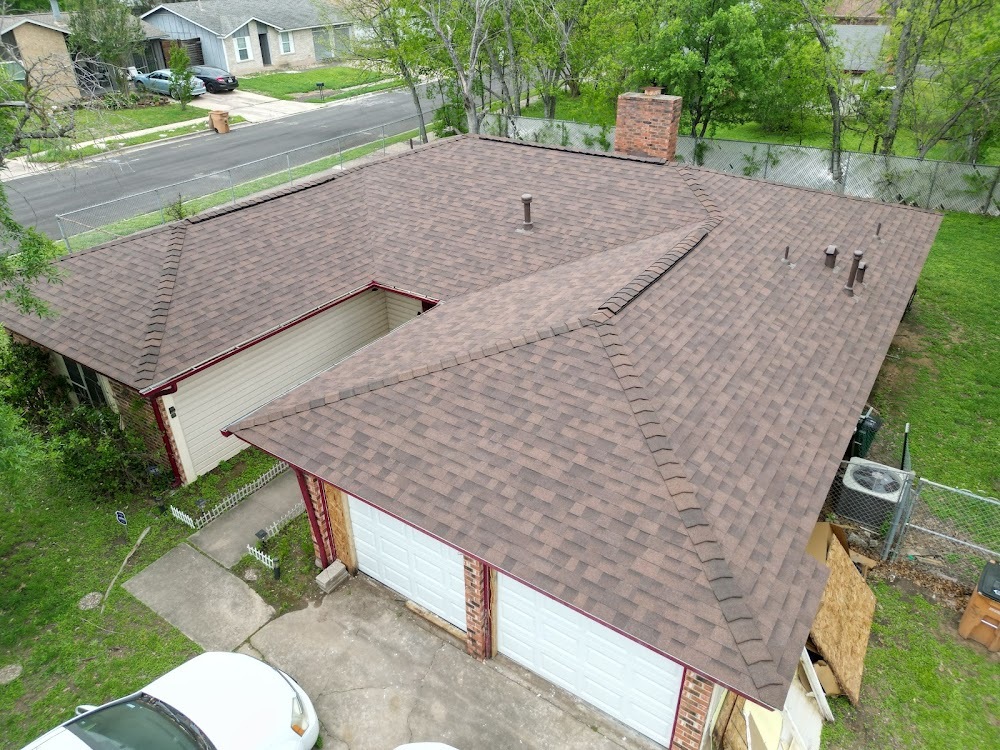
A durable roof protects a home from intense sunlight, heavy rain, hail, wind, and changing temperatures. For homeowners considering asphalt roofing installation in Austin, TX, understanding the materials, installation process, ventilation needs, and contractor qualifications can support an informed decision and help ensure lasting roof performance.
Table of Contents
- Why Asphalt Roofing Is Popular Among Austin Homeowners
- Signs That a Home May Need a New Asphalt Roof
- What Happens During Asphalt Roof Installation?
- Choosing the Right Asphalt Shingles
- How to Evaluate an Asphalt Roofing Contractor
- Important Cost Factors
- Preparing for Installation Day
- Maintaining a Newly Installed Asphalt Roof
- Frequently Asked Questions
- How long does asphalt roofing installation take?
- Can asphalt shingles be installed over an existing roof?
- What type of asphalt shingle is best for Austin weather?
- Does a new asphalt roof require attic ventilation?
- How often should an asphalt roof be inspected?
- What warranties are available for asphalt roofing?
- Should gutters be replaced during roof installation?
- Frequently Asked Questions
- Conclusion
Why Asphalt Roofing Is Popular Among Austin Homeowners
Asphalt shingles remain a widely used residential roofing material because they offer a practical balance of durability, visual appeal, and cost. They are available in numerous colors, profiles, and performance levels, making them suitable for both traditional and modern homes.
Quality asphalt roofing may provide several advantages:
- Flexible design and colour options
- Straightforward repair and replacement
- Compatibility with many residential roof structures
- Options with enhanced wind and impact resistance
- Reliable protection when installed correctly
Although asphalt shingles are versatile, homeowners should select products based on roof slope, neighborhood conditions, expected weather exposure, and the home’s architectural style.
Signs That a Home May Need a New Asphalt Roof
A roof does not always need replacement simply because it has reached a certain age. You should also consider its condition, maintenance history, installation quality, ventilation, and exposure to severe weather.
Missing, Cracked, or Curling Shingles
Before scheduling asphalt roofing installation in Austin, TX, homeowners should look for cracked, loose, curled, or missing shingles that may expose the underlying roof system to moisture. Isolated damage may be repairable, but widespread deterioration can make replacement a more practical long-term solution
Excessive Granule Loss
Asphalt shingles contain protective granules that help limit damage from sunlight and weather. A large amount of granule buildup in gutters or visible bare areas on shingles may suggest advanced surface wear.
Water Stains and Interior Leaks
Ceiling stains, damp insulation, peeling paint, or moisture in the attic may indicate a roofing problem. However, leaks can also originate from flashing, vents, or other roof penetrations. A professional inspection is necessary to identify the actual source.
A Sagging or Uneven Roofline
A visibly uneven or sagging area may point to damaged decking or structural concerns. Because this condition can affect safety and the scope of work, it should be evaluated promptly by a qualified professional.
Repeated Repair Requirements
Frequent repairs can become costly without addressing the condition of the overall system. When problems appear across several sections, complete replacement may deliver better value than continuing with temporary fixes.
What Happens During Asphalt Roof Installation?
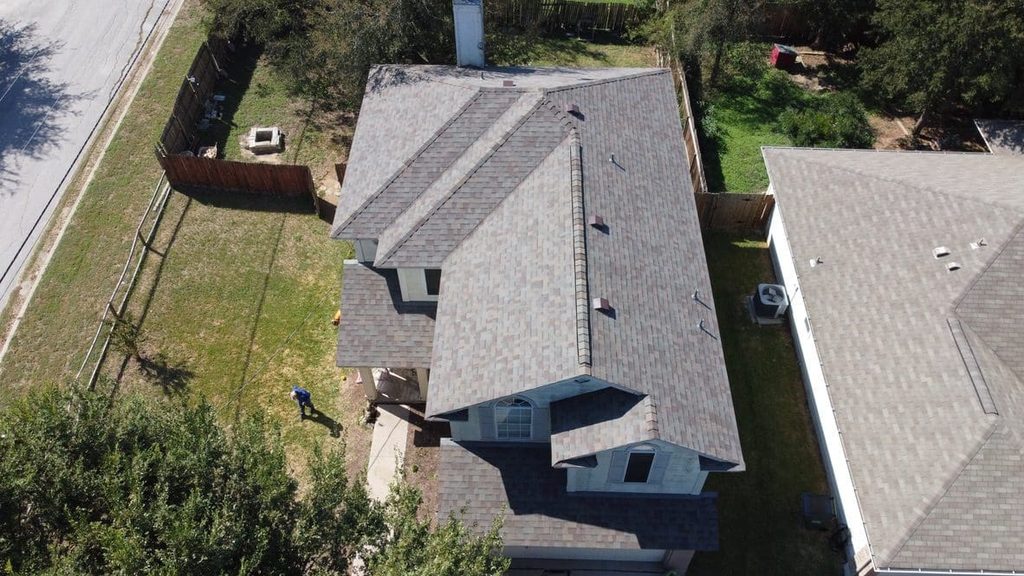
Professional installation follows a structured process. The exact steps may vary depending on the roof design, material specifications, weather, and condition of the existing structure.
1. Roof Inspection and Project Assessment
Before work begins, a contractor specializing in asphalt roofing in Austin, TX, should examine the existing shingles, roof deck, flashing, drainage components, ventilation, and roof penetrations. Accurate measurements help determine material requirements and identify areas needing special attention.
The written estimate should clearly explain the planned work, materials, warranties, cleanup responsibilities, and procedures for handling unexpected decking damage.
2. Material and Color Selection
When planning asphalt roofing installation in Austin, TX, homeowners can choose from standard three-tab shingles, architectural shingles, and higher-performance products. Architectural shingles are thicker and offer a dimensional appearance, while impact-rated options may provide added protection in hail-prone areas. Color selection also matters, as it should complement the home’s exterior and meet any neighborhood or homeowners’ association requirements. Since samples may look different outdoors than on a screen, reviewing them under natural light is recommended.
3. Site Preparation
Before removal begins, contractors should protect landscaping, windows, driveways, and outdoor equipment. Waste containers and material deliveries must be positioned carefully to reduce disruption and protect the property.
Homeowners should remove fragile objects from walls and shelves because roof work may create vibrations. Vehicles should also be moved away from the work area.
4. Removal of Existing Roofing Materials
Removing old shingles exposes the underlying deck and allows the installer to assess its condition. This step is important because damaged or weakened decking cannot provide a secure base for the new system.
Old shingles, fasteners, damaged flashing, and worn underlayment are removed according to the agreed project scope.
5. Roof Deck Inspection and Repairs
Once the roof deck is exposed, an experienced asphalt roofing contractor checks it for moisture damage, rot, soft areas, or movement. Damaged sections should be replaced before new roofing materials are installed. Skipping necessary repairs may weaken shingle fastening and contribute to uneven surfaces or future leaks. Any additional work should be documented and explained before proceeding.
6. Installation of Underlayment and Water Protection
Underlayment creates a secondary moisture barrier beneath the shingles. Additional protective membranes may be installed in vulnerable areas, including valleys, eaves, and roof penetrations.
Drip-edge flashing is generally fitted along roof edges to guide water away from the fascia and into the drainage system. The installation sequence should follow product instructions and relevant building requirements.
7. Shingle Installation
Shingles are installed in overlapping courses using the required fastening pattern. Proper alignment, nail placement, spacing, and exposure are essential. Incorrectly placed or overdriven fasteners may affect wind resistance and product performance.
Areas around chimneys, vents, skylights, valleys, and wall intersections require careful detailing. These transition points are common sources of leaks when flashing is missing, damaged, or poorly installed.
8. Ventilation and Final Inspection
A balanced attic ventilation system helps manage heat and moisture. Restricted airflow can contribute to excessive attic temperatures, moisture buildup, and avoidable stress on roofing materials.
After installation, the contractor should inspect the roof, remove debris, collect loose fasteners, and confirm that flashing, vents, ridges, and edges have been completed correctly.
Choosing the Right Asphalt Shingles
Not every shingle provides the same performance. Homeowners comparing asphalt roofing options for properties in Austin, TX, should consider more than appearance and initial price.
Important factors include:
- Manufacturer specifications
- Wind-resistance rating
- Impact-resistance classification
- Expected service life
- Algae-resistance features
- Product and workmanship warranties
- Suitability for the home’s roof slope
- Compatibility with the ventilation system
No shingle is completely damage-proof. Product ratings indicate tested performance under specific conditions, but proper installation and maintenance remain essential.
Genuine Texas Exteriors provides residential asphalt roofing services for Austin and surrounding communities, with options designed to address local weather conditions and different home styles.
How to Evaluate an Asphalt Roofing Contractor
Selecting an installer is one of the most important parts of the project. Even a high-quality product may underperform if the roofing system is installed incorrectly.
Before hiring a contractor, homeowners should confirm:
- Business and contact information
- Applicable licensing and insurance
- Experience with asphalt shingle systems
- Recent project references
- Manufacturer training or certifications
- Detailed written estimates
- Workmanship warranty terms
- Cleanup and property-protection procedures
- Permit responsibilities
- A process for approving additional repairs
When choosing an asphalt roofing contractor, watch for vague estimates, pressure to decide immediately, unusually large upfront payment requests, or promises not supported in writing. Homeowners should also avoid signing documents they do not fully understand.
Important Cost Factors
The total cost of an asphalt roofing project depends on the roof’s size, pitch, condition, and complexity not square footage alone. Steep slopes, multiple roof sections, valleys, chimneys, skylights, and limited access may increase labor and material requirements.
Other cost factors include:
- Shingle type and performance rating
- Number of existing roofing layers
- Decking repairs
- Flashing replacement
- Ventilation improvements
- Waste disposal
- Permit requirements
- Manufacturer-approved accessories
A detailed estimate makes comparisons more meaningful. The lowest quotation may not provide the best value if it excludes essential materials, repairs, protection, or cleanup.
Preparing for Installation Day
A few practical steps can help the project proceed safely and efficiently:
- Clear the driveway and areas near the home.
- Move outdoor furniture and decorations away from the work zone.
- Mark delicate plants or irrigation components.
- Keep children and pets indoors or away from the property.
- Remove fragile items from walls and upper shelves.
- Inform nearby neighbors about the expected noise.
- Confirm access to electrical outlets if required.
- Discuss weather delays and daily cleanup in advance.
During an asphalt roof replacement, the work can be noisy, and access around the home may be limited. Homeowners working remotely may want to arrange an alternative workspace during the loudest stages of the project.
Maintaining a Newly Installed Asphalt Roof
Routine maintenance can help protect the roofing system and identify minor concerns before they become expensive problems.
To protect asphalt roofing, homeowners should visually inspect the roof after major storms, keep gutters and downspouts clear, trim overhanging branches, and monitor the attic for moisture. Remove moss, algae, and debris using methods approved by the shingle manufacturer.
Walking on the roof can damage shingles and create a fall hazard. Leave inspections and repairs that require roof access to trained professionals with proper safety equipment.
Frequently Asked Questions
How long does asphalt roofing installation take?
Many residential projects can be completed within a few days, but the schedule depends on roof size, slope, complexity, material availability, decking repairs, and weather. The contractor should provide an estimated timeline before work starts.
Can asphalt shingles be installed over an existing roof?
In some cases, local requirements and roof conditions may allow another layer. However, removing the existing material provides a clearer view of the deck and makes it easier to correct hidden damage. A professional assessment can determine the appropriate approach.
What type of asphalt shingle is best for Austin weather?
The best option depends on the property, budget, roof design, and exposure. Austin Homeowners often consider architectural or impact-rated shingles because of their durability, but product ratings, installation requirements, and warranty terms should be compared carefully.
Does a new asphalt roof require attic ventilation?
Most roofing systems benefit from appropriate intake and exhaust ventilation. Balanced airflow can help control attic heat and moisture. Ventilation requirements should be evaluated as part of the full roof system rather than treated as a separate feature.
How often should an asphalt roof be inspected?
A general inspection every year and after significant wind or hail events can help identify damage early. Homeowners should also request an assessment when they notice missing shingles, interior stains, damaged flashing, or excessive granules in gutters.
What warranties are available for asphalt roofing?
Coverage varies by manufacturer, product, installer, and registration requirements. Material warranties and workmanship warranties are different, so homeowners should review exclusions, transfer conditions, maintenance obligations, and claim procedures in writing.
Should gutters be replaced during roof installation?
Not always. Gutters in good condition may remain in place, although they should be protected during installation. Replacement may be appropriate when gutters are damaged, incorrectly sloped, poorly secured, or unable to manage roof runoff effectively.
Conclusion
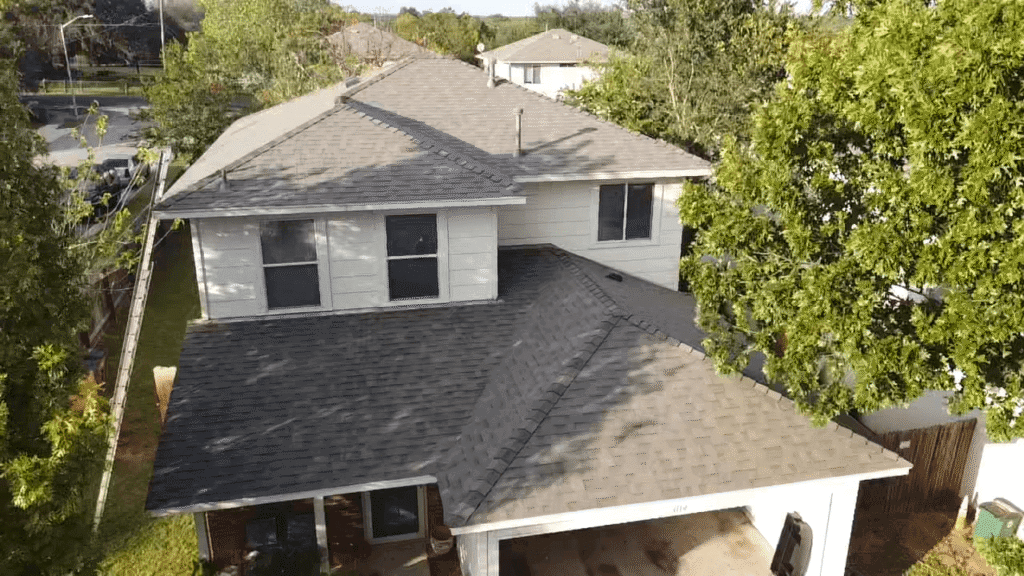
A successful asphalt roofing installation in Austin, TX requires more than choosing a shingle color. Thorough inspections, suitable materials, proper deck preparation, accurate flashing, balanced ventilation, and qualified installation all contribute to reliable, long-term roof performance.
Homeowners should compare written estimates carefully, verify contractor qualifications, and ask questions about every part of the proposed system. Genuine Texas Exteriors can help property owners understand suitable asphalt roofing options and prepare for a properly planned installation.
Planning a roofing project? View Genuine Texas Exteriors on Google Maps for directions to its Austin-area location before scheduling a consultation.