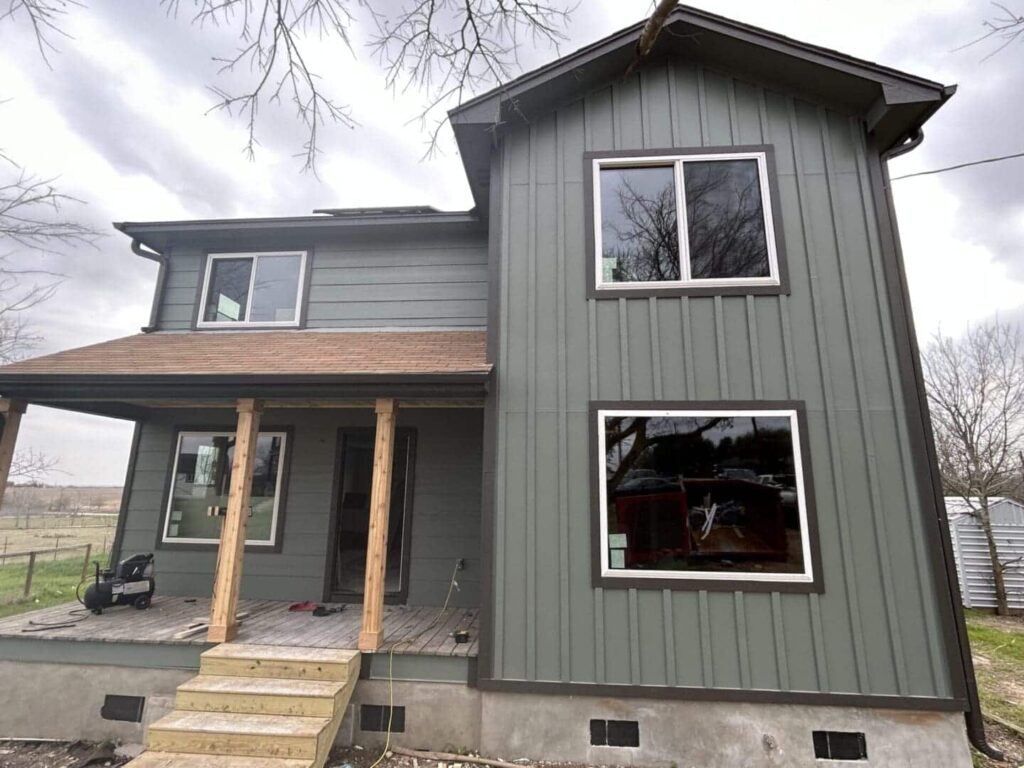
Siding does more than shape the appearance of a home. It forms an important part of the exterior envelope, helping protect walls from weather exposure while contributing to insulation, moisture management, and overall curb appeal. Because siding is a long-term investment, homeowners should understand what a professional installation process involves before choosing a contractor.
Table of Contents
- What Happens During the Initial Siding Consultation?
- A Detailed Property Assessment Comes Before Installation
- Help Selecting the Right Siding Material
- Preparing the Home for Siding Installation
- What Professional Siding Installation Looks Like
- Managing the Property During the Project
- How Long Does Siding Installation Take?
- What Should Be Included in a Siding Estimate?
- Understanding Siding Replacement
- What Questions Should You Ask Before Hiring a Contractor?
- A Broader Approach to Exterior Improvements
- Signs That It May Be Time to Evaluate Your Siding
- Frequently Asked Questions About Siding Installation
- 1. How do I choose the right siding for my home?
- 2. Is professional siding installation important?
- 3. How long does new siding typically last?
- 4. Can new siding be installed over existing siding?
- 5. What should homeowners do before installation begins?
- 6. Does siding improve curb appeal?
- 7. How can homeowners compare siding contractors?
- Frequently Asked Questions About Siding Installation
- Conclusion
Working with a reputable siding installation company in Austin should involve more than selecting a color and scheduling an installation date. A professional process typically includes an initial consultation, property assessment, material guidance, detailed preparation, careful installation, site cleanup, and a final walkthrough.
For homeowners considering siding installation in Austin, Texas, understanding these stages can make the project easier to plan and help identify which questions to ask before work begins.
What Happens During the Initial Siding Consultation?
The process generally begins with a conversation about the home’s current exterior, the homeowner’s goals, and the scope of the project. A professional contractor should take time to understand whether the priority is appearance, durability, maintenance requirements, weather performance, or a combination of these factors.
The consultation is also an opportunity to discuss siding materials, colors, textures, profiles, and installation considerations. Different products can have varying maintenance requirements and performance characteristics, so recommendations should be based on the property’s needs rather than simply promoting a single option.
A knowledgeable siding contractor in Austin, TX should also explain the installation process in straightforward language. Homeowners should understand what will happen before, during, and after the project rather than being left with unanswered questions.
A Detailed Property Assessment Comes Before Installation
A professional installation should not begin with materials being placed immediately on the walls. The existing exterior needs to be evaluated first.
Inspecting the Existing Siding
The condition of the existing siding can influence the preparation required for Siding Installation Companies in Austin. The contractor may look for deteriorated sections, moisture-related concerns, uneven surfaces, damaged trim, and other conditions that could affect the finished installation.
The surrounding areas of the home should also be considered. Windows, doors, corners, rooflines, vents, and other exterior details can affect how siding is installed and finished.
Developing an Installation Plan
After the assessment, a clear installation plan can be established. This should address material quantities, product selections, preparation requirements, trim details, installation sequence, and expected project timing.
A well-planned process reduces uncertainty and gives homeowners a clearer understanding of what to expect once installation begins.
Help Selecting the Right Siding Material
Choosing siding is not simply an aesthetic decision. Material selection can influence maintenance, longevity, appearance, and the way the exterior performs over time.
Fiber cement siding is a frequently considered option for homeowners seeking a durable exterior with a range of colors and styles. Other siding products may also be appropriate depending on the home’s design, budget, maintenance expectations, and performance requirements.
When reviewing siding in Austin, TX, options, homeowners should consider several factors:
- Long-term durability
- Maintenance requirements
- Moisture resistance
- Color and texture choices
- Compatibility with the existing architecture
- Trim and finishing options
- Installation requirements
- Manufacturer specifications and warranties
The goal should be to select a material that balances appearance and practical performance rather than choosing solely on initial price.

Preparing the Home for Siding Installation
Preparation is one of the most important parts of a siding project. Even high-quality siding can produce disappointing results if the surface underneath has not been properly prepared.
Depending on the home’s condition, preparation may involve removing existing exterior materials, evaluating the underlying surface, addressing unsuitable areas, preparing openings, and installing appropriate components in accordance with the selected siding manufacturer’s requirements.
The installation team should also account for windows, doors, electrical fixtures, exterior lights, vents, and other features attached to the home’s exterior.
Careful preparation helps create a consistent surface and allows the new siding to be installed in accordance with the product’s specifications.
What Professional Siding Installation Looks Like
Once preparation is complete, the actual installation can begin. The exact process varies according to the material and product selected, but attention to alignment, spacing, fastening, and finishing is important.
Proper Alignment and Spacing
Siding should be installed consistently across the exterior. Uneven lines, inconsistent spacing, or poorly aligned panels can become noticeable once the project is complete.
Experienced installers pay attention to horizontal and vertical alignment while working around corners, windows, doors, and other architectural features.
Attention to Trim and Detail
Trim can have a major effect on the finished appearance. Corners, window surrounds, door areas, soffit transitions, and other edges should receive appropriate attention.
These details are not merely decorative. Properly finished transitions help create a clean exterior and can contribute to the siding system’s overall weather-management strategy.
Following Manufacturer Requirements
Different siding products have specific installation requirements. Fastener placement, clearances, joint treatment, spacing, and other details can vary by product.
A professional installation should follow the applicable manufacturer guidelines rather than relying on a one-size-fits-all approach.
Managing the Property During the Project
A siding project affects more than the exterior wall. Materials, tools, ladders, and installation equipment may be present around the property during the work.
Homeowners should expect a professional team to maintain an organized work area and take reasonable steps to protect surrounding property. Walkways and access points should be considered during the project, while debris and unused materials should be managed as work progresses.
A structured approach to daily cleanup by a siding installation company in Austin can make the project more convenient for homeowners and help reduce unnecessary hazards around the property.
How Long Does Siding Installation Take?
There is no single timeline that applies to every siding project. Project duration depends on the home’s size and design, the selected siding material, the amount of preparation required, the number of architectural details, and weather conditions.
A smaller, straightforward project may move relatively quickly, while a larger home with multiple elevations, complex rooflines, numerous windows, or extensive preparation may require more time.
Before work begins, Austin homeowners should ask for a realistic project timeline and clarification about factors that could affect the schedule. A professional contractor should communicate significant changes rather than leaving homeowners uncertain about the project’s progress.
What Should Be Included in a Siding Estimate?
A detailed estimate can help homeowners compare proposals more effectively. Instead of focusing only on the final price, review what is included in the scope of work.
A comprehensive estimate may identify:
- Siding material and product specifications
- Estimated material quantities
- Labor and installation
- Preparation requirements
- Trim and finishing components
- Removal of existing materials when applicable
- Cleanup expectations
- Warranty information
- Payment terms
- Expected project schedule
If multiple estimates are being considered, comparing the scope line by line can provide a more meaningful comparison than simply selecting the lowest figure.
Understanding Siding Replacement
Homeowners sometimes assume that visible siding problems automatically mean every component must be replaced. That conclusion should not be made without an appropriate assessment.
Siding projects can involve different levels of work depending on the condition of the existing exterior and the homeowner’s goals. When considering siding replacement, a contractor should explain the observed condition, identify the recommended scope, and provide sufficient information for the homeowner to make an informed decision.
Clear communication is particularly important when a project involves older exterior materials or conditions that cannot be fully evaluated until existing siding is removed.
What Questions Should You Ask Before Hiring a Contractor?
Before selecting a contractor, homeowners can ask practical questions about experience, materials, installation methods, scheduling, warranties, and project communication.
Useful questions include:
- What siding materials are available for the property?
- What preparation will be required before installation?
- What components are included in the estimate?
- How will windows, doors, corners, and other transitions be finished?
- What is the expected project timeline?
- How will the property be maintained during installation?
- What manufacturer warranties apply to the selected product?
- What workmanship coverage is provided?
- How will changes to the project scope be communicated?
- What should be expected during the final walkthrough?
These questions can help homeowners understand both the product and the installation process before making a commitment.
A Broader Approach to Exterior Improvements
Siding is often considered as part of a larger exterior improvement plan. When homeowners evaluate the condition of their property, other elements may also deserve attention.
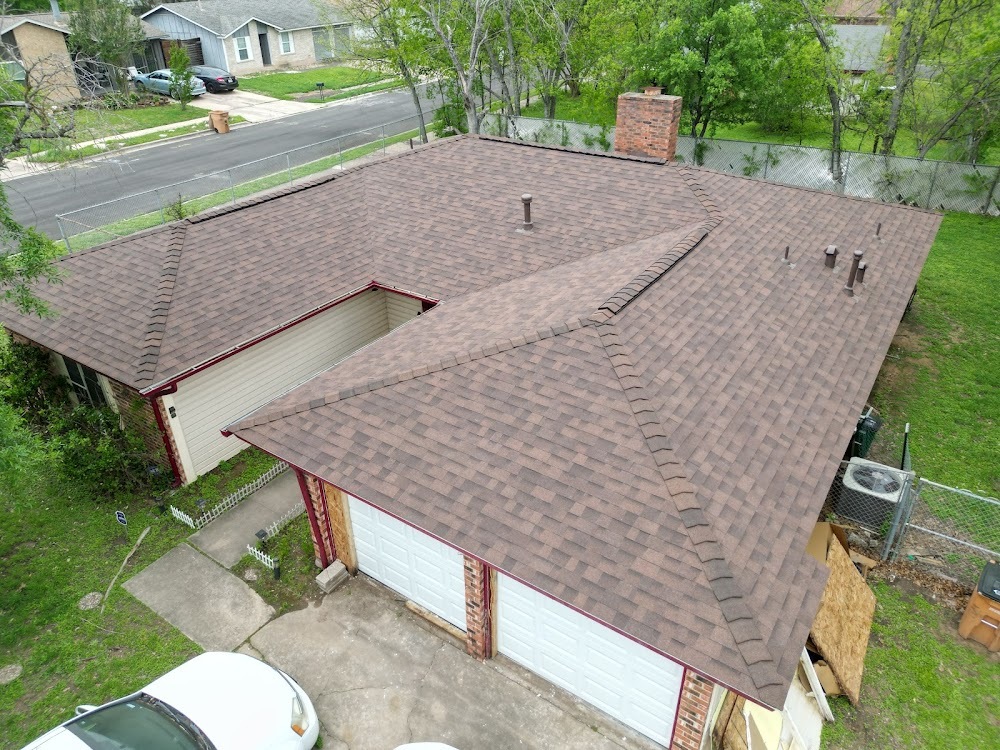
Depending on the home’s needs, exterior services can include asphalt roofing, metal roofing, windows, and patio additions, alongside siding. Considering these elements together can help homeowners maintain a more cohesive exterior design.
For example, window styles and trim should complement the selected siding, while roofing colour and texture can influence the overall appearance of the home. A coordinated exterior can create a more consistent visual result without requiring every improvement to happen at the same time.
Throughout the process, Genuine Texas Exteriors focuses on clear communication and careful preparation, helping homeowners understand each stage of their project. This structured approach reflects the importance of preparation and communication when homeowners are making significant improvements to their properties.
Signs That It May Be Time to Evaluate Your Siding
Siding can gradually show signs of age and exposure. Homeowners may want to schedule an assessment when they notice issues such as:
- Cracked or warped panels
- Peeling or deteriorating finishes
- Persistent moisture concerns
- Noticeable gaps or separation
- Significant fading
- Loose or damaged sections
- Increasing maintenance requirements
- An outdated exterior appearance
These signs do not automatically determine the appropriate solution. A professional assessment can help identify the condition of the siding and explain which options may be suitable.

Frequently Asked Questions About Siding Installation
1. How do I choose the right siding for my home?
Consider durability, maintenance, appearance, budget, architectural style, and product specifications. A contractor can explain how different materials compare and help narrow down the options based on the property’s needs.
2. Is professional siding installation important?
Yes. Proper installation affects alignment, fastening, finishing, moisture management, and the overall appearance of the exterior. Following manufacturer requirements is also important for achieving the intended product performance.
3. How long does new siding typically last?
Longevity depends on the material, product quality, installation, maintenance, exposure, and environmental conditions. Homeowners should review the manufacturer’s published information rather than relying on a universal lifespan estimate.
4. Can new siding be installed over existing siding?
Whether this is appropriate depends on the existing material, its condition, local requirements, and the selected siding system. An assessment should be completed before deciding how the new siding will be installed.
5. What should homeowners do before installation begins?
Clear areas around the exterior where practical, discuss access requirements with the contractor, protect or relocate vulnerable outdoor items, and ensure questions about materials, schedule, and project scope are answered.
6. Does siding improve curb appeal?
Yes. New siding can significantly change the visual character of a home. Color, texture, profile, trim, and installation quality all contribute to the final appearance.
7. How can homeowners compare siding contractors?
Look beyond the quoted price. Review the proposed scope, material specifications, installation approach, communication practices, warranty information, experience, and evidence of completed work. Clear documentation can make contractor comparisons easier.
Conclusion
A successful siding project starts well before the first panel is installed. A professional siding installation company in Austin should provide a clear process that covers consultation, property assessment, material selection, preparation, installation, cleanup, and final inspection.
Homeowners can make better decisions by asking detailed questions, comparing complete project scopes, and understanding the characteristics of the siding materials under consideration. The right installation approach can help create an exterior that complements the home’s architecture while providing dependable long-term performance.
Whether the project involves a complete exterior update or a carefully planned siding replacement, informed planning can make the experience more predictable and the finished result more satisfying.
Looking for siding options in the Austin area? Get directions to Genuine Texas Exteriors on the map and explore your exterior upgrade options.